There’s something powerful about a globally recognisable character or toy that spans generations. From a honey-obsessed cuddly bear to colourful collectible model cars, numerous brands have managed to capture the hearts of parents and children alike for generations. Among today’s preschoolers, we’re finding that these classic properties aren’t just surviving – they’re thriving. Certain brands are managing to evolve across platforms and varying toy trends to stay relevant in the modern world.
Winnie the Pooh Products and The Strength in Nostalgia
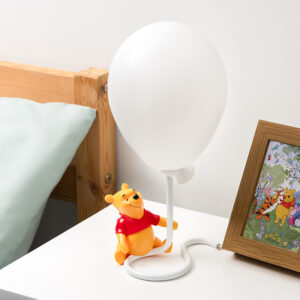
Winnie the Pooh is the ultimate nostalgic pre-school character. First appearing in A.A. Milne’s stories in 1926, this gentle bear will celebrate his 100th anniversary next year, and he doesn’t show any sign of losing popularity.
In the century since his literary debut, Pooh has become a cultural icon, with timeless tales of friendship, kindness and curiosity continuing to resonate with families around the world. It’s probably why Winnie the Pooh is still the third best-selling licensed franchise globally, making it an obvious choice for parents to buy for their kids.
When making purchasing decisions around toys and media for children, items featuring characters like Pooh aren’t just a practical decision but emotional too. In a crowded market of new and often fleeting characters, familiar faces like Winnie the Pooh offer something lasting, making them a meaningful and obvious choice for today’s families. When young children engage with characters their parents already know and adore, it creates a cross-generational bond, which is why we see nostalgic characters like Pooh and products featuring him continue to thrive.
Building a Brand Ecosystem for Care Bears
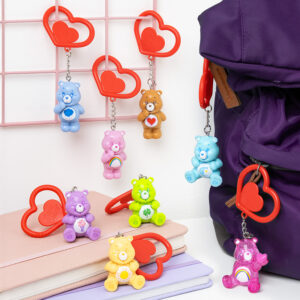
Although initially created in the 80s, contemporary Care Bears fans have been treated to a full-scale renaissance. Whilst Gen-Xers remember the bears as colourful and cuddly symbols of emotional expression from weekly cartoons, today’s children are discovering the bears through a vibrant resurgence across multiple platforms. They’ve seen popular global collaborations with Roblox and PK XD, as well as a new video game available on PC, PlayStation and Nintendo Switch. The cute bunch can also be found across streaming platforms like YouTube, Netflix, Cartoon Network and HBO Max.
Alongside their media revival, there’s been a significant boom in officially licensed Care Bears merchandise. For fans, there’s never been a better time to find themed products that celebrate both the classic designs and the updated modern look. It’s a perfect example of how nostalgia can breathe new life into classic franchises, offering something for both generations to enjoy while staying true to the brand’s timeless message.
Hello Kitty Merchandise Adapts to the Digital Age
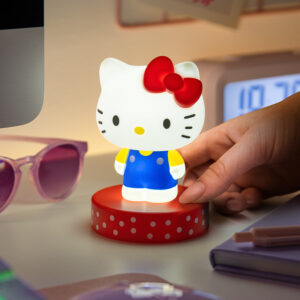
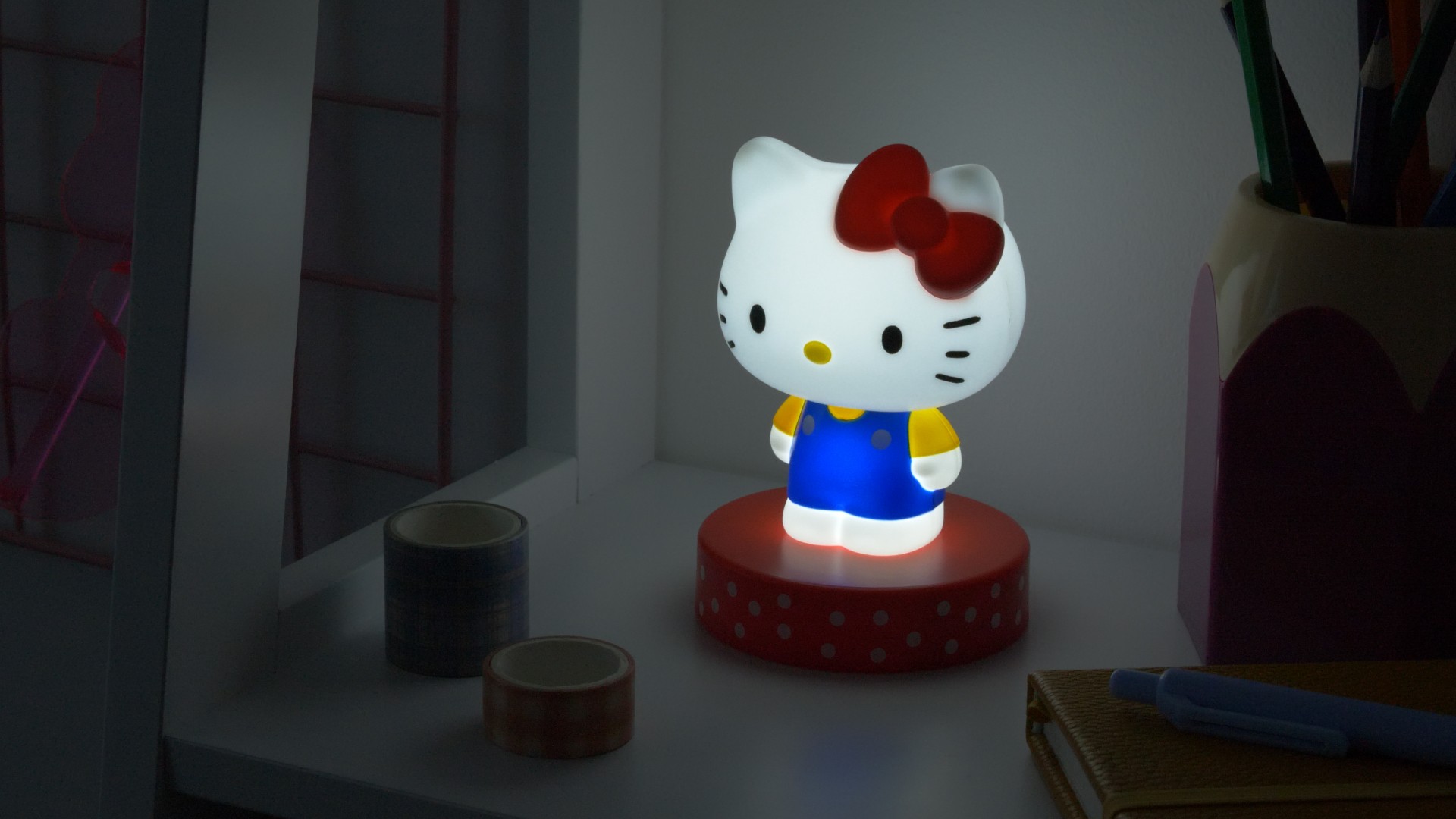
Hello Kitty is another classic character that has stood the test of time. Originally created in the 1970s, her simple design and cheerful personality have made her a global icon. For parents who grew up with Hello Kitty adorned lunchboxes, pencil cases and pyjamas, introducing her to their children creates an instant nostalgic connection.
Meanwhile, the brand continues to stay fresh through vibrant product ranges, regular collaborations with other high-profile brands, and accessible content for younger audiences. Just take a look at Hello Kitty’s YouTube channel, where she’s gathered more than 606 million views on videos offering sweet, child-friendly content that continues to charm. She’s also found success as a digital influencer, becoming a TikTok sensation with 4.7 million followers and 37.9 million likes. It’s no surprise, then, that the Americas have seen a 141% year-on-year increase in sales – proving this cute character’s success in adapting to the digital age.
The Cross-generational Appeal of Hot Wheels
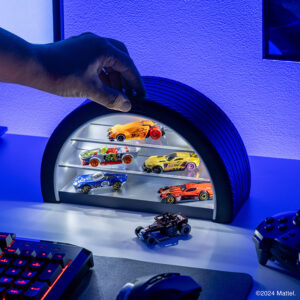
Whilst Hot Wheels may have started as a toy brand for car-loving kids over 50 years ago, today it’s a perfect example of how classic characters and brands are evolving to stay relevant for preschoolers and their families. While the cars remain instantly recognisable and highly collectable (evidenced by continued demand for display cases and the launch of new lines like the Formula 1 and Ferrari ranges) it also holds strong appeal for preschoolers thanks to its focus on imaginative, open-ended play. With brightly coloured cars and simple track systems, Hot Wheels gives younger children the freedom to explore, create and play at their own pace. Not to mention their recent collaborations with modern pop culture icons, such as the Sidemen and Wrangler, keep the brand relevant and connected to others in the family, like parents and older siblings.
It’s clear that when stocking toys and décor for pre-school children, nostalgia isn’t just a marketing trend; it’s a meaningful bridge between generations. From Care Bears to Hello Kitty, many brands have evolved with the times while staying true to their core values, creating products that resonate with both parents and children. Their enduring appeal ensures strong shelf presence and consistent sales, making them reliable choices for retailers looking to offer items with lasting demand and emotional impact.